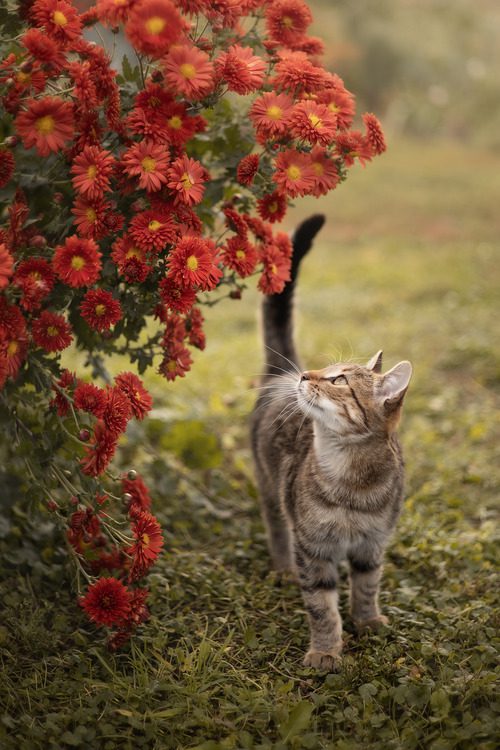
As a devoted cat parent, you naturally want to ensure every corner of your home and garden is a safe haven for your furry friend. Amidst the vibrant hues of autumn, chrysanthemums, often affectionately called 'mums,' emerge as a popular choice for decoration. Their beauty is undeniable, but it often prompts a critical question from concerned pet owners: Are chrysanthemums toxic to cats?
The unequivocal answer, as a veterinarian, is yes, chrysanthemums are indeed toxic to cats. While these flowers may be a feast for the eyes, they can pose a significant health risk to our curious feline companions. Understanding this danger is the first step in protecting your pet. This comprehensive guide will delve into what makes chrysanthemums harmful, how to recognize the signs of toxicity, what urgent steps to take if exposure occurs, and ultimately, how to create a beautiful yet cat-safe environment.
The Hidden Danger: Why Chrysanthemums Are Harmful to Felines
Chrysanthemums, despite their innocuous appearance, contain several natural compounds that are problematic for cats. The primary culprits behind their toxicity are pyrethrins and sesquiterpene lactones. These substances are naturally occurring insecticides that the plant produces to protect itself from pests. Unfortunately, what's a defense mechanism for a flower can be a significant health hazard for a cat.
Understanding Pyrethrins and Sesquiterpene Lactones
- Pyrethrins: These compounds are natural neurotoxins. When ingested or absorbed, pyrethrins can disrupt the normal function of a cat's nervous system. Cats are particularly sensitive to pyrethrins because their liver lacks certain enzymes necessary to break down these toxins efficiently. This means the compounds linger in their system longer, increasing the risk and severity of symptoms. You might recognize pyrethrins as related to synthetic pyrethroids, which are commonly used in dog-specific flea and tick prevention products. While the concentrations differ, the mechanism of action on the nervous system is similar, highlighting why any exposure can be dangerous for felines.
- Sesquiterpene Lactones: These compounds primarily cause irritation to the gastrointestinal tract and skin. If a cat chews on a chrysanthemum, these lactones can lead to inflammation and discomfort in their mouth and digestive system. Direct skin contact can also result in localized irritation.
How Cats Get Exposed to Chrysanthemum Toxins
Cats are naturally inquisitive creatures, and their exploratory behavior can lead to accidental exposure. Common scenarios include:
- Chewing or Ingestion: The most direct route of exposure is when a cat curiosity chews on or consumes parts of the chrysanthemum plant. Even a small amount can be enough to cause adverse reactions, particularly in sensitive individuals.
- Contact and Grooming: Cats are fastidious groomers. If they brush against a chrysanthemum plant, pollen or plant sap containing the toxins can transfer to their fur. Later, during a grooming session, they will inevitably ingest these harmful compounds, leading to systemic exposure. This is a subtle yet common way for toxicity to occur.
- Dermal Contact: Direct contact with the plant's leaves or flowers can also cause skin irritation (dermatitis) due to the sesquiterpene lactones.
Given their unique physiology and grooming habits, cats are especially vulnerable to the effects of chrysanthemum toxicity. Therefore, it's crucial for pet owners to be aware of this risk and take proactive measures to protect their feline companions.
Recognizing the Red Flags: Symptoms of Chrysanthemum Toxicity in Cats
If your cat has been exposed to chrysanthemums, recognizing the signs of toxicity early is paramount. The symptoms can vary widely depending on the amount ingested, the specific compounds involved, and your cat's individual sensitivity. They may appear gradually or suddenly.
Common Physical Symptoms
When a cat comes into contact with or ingests chrysanthemums, you might observe a range of physical manifestations:
- Gastrointestinal Distress: This is one of the most common reactions. You might notice your cat experiencing vomiting, diarrhea, or excessive drooling (ptyalism). They may also show a noticeable lack of appetite (anorexia) or signs of abdominal discomfort.
- Dermatitis/Skin Irritation: If your cat has had direct contact with the plant, especially the sap, they might develop skin inflammation, redness, itching, or even small bumps. This is often seen on the muzzle, paws, or any area that touched the plant.
Behavioral and Neurological Changes
Beyond the immediate physical signs, chrysanthemum toxicity can also manifest through changes in your cat's behavior and neurological function, particularly due to the pyrethrin content:
- Lethargy and Weakness: Your usually playful cat might become unusually quiet, sluggish, and reluctant to move. They may appear generally unwell or weak.
- Coordination Issues (Ataxia): Affected cats might struggle with balance, stumbling, walking as if drunk, or exhibiting uncoordinated movements.
- Tremors and Seizures: In more severe cases, or with higher levels of exposure, pyrethrins can lead to muscle tremors or even full-blown seizures. These are critical signs requiring immediate veterinary intervention.
- Paw-Pawing at Mouth/Face: Due to oral irritation or nausea, some cats may repeatedly paw at their mouth or face.
It's important to monitor your cat closely for any of these signs if you suspect exposure. Even mild symptoms warrant attention, as they can sometimes escalate. For a detailed breakdown of symptoms and what immediate steps to take, refer to our guide on Chrysanthemum Toxicity in Cats: Symptoms & Emergency Steps.
Immediate Action: What to Do If Your Cat Ingests Chrysanthemums
If you suspect your cat has ingested any part of a chrysanthemum plant, time is of the essence. Prompt action can significantly impact the outcome and your cat's recovery.
Step-by-Step Emergency Protocol
- Stay Calm: Panicking won't help your cat. Take a deep breath and focus on the immediate steps.
- Remove Access: Immediately separate your cat from the plant to prevent further ingestion.
- Contact Your Veterinarian Immediately: This is the most crucial step. Do not wait for symptoms to worsen. Call your regular vet or the nearest emergency veterinary clinic without delay. If it's after hours and your vet isn't available, contact an animal poison control center (like ASPCA Animal Poison Control or Pet Poison Helpline).
- Gather Information: When you call the vet, be prepared to provide as much information as possible:
- What type of plant (chrysanthemum, if you know the specific variety, even better).
- How much of the plant you believe was ingested or contacted (e.g., a few leaves, a flower head, just brushed against it).
- When the exposure occurred (as accurately as possible).
- Any symptoms you've observed, and when they started.
- Your cat's age, weight, and any underlying health conditions.
- Do NOT Induce Vomiting Unless Instructed: Never attempt to make your cat vomit on your own unless specifically instructed by a veterinarian. Inducing vomiting inappropriately can cause more harm, especially if the cat is already lethargic or if the ingested substance is corrosive.
- Follow Veterinary Advice: Your vet will provide specific instructions based on your cat's situation. They may advise you to bring your cat in for immediate examination and treatment.
What to Expect at the Vet
Upon arrival, the veterinary team will conduct a thorough examination. Treatment typically involves:
- Decontamination: If ingestion was recent, the vet might induce vomiting safely or administer activated charcoal to absorb toxins and prevent further absorption.
- Supportive Care: This may include intravenous fluids to combat dehydration and help flush toxins from the system, medications to control vomiting or diarrhea, and sometimes anti-inflammatory drugs for skin irritation.
- Symptomatic Treatment: For severe neurological symptoms like tremors or seizures, specific medications will be administered to stabilize your cat.
Early intervention significantly improves the prognosis for cats with chrysanthemum toxicity. Your quick thinking and prompt action are vital for your beloved pet's well-being.
Cultivating a Cat-Friendly Home: Safe Plant Alternatives and Prevention
The best defense against chrysanthemum toxicity is prevention. By making informed choices about the plants you bring into your home and garden, you can create an environment that is both beautiful and safe for your feline companions.
Pet-Safe Plant Alternatives
While chrysanthemums might be off-limits, there are numerous other stunning plants that are non-toxic to cats and can add greenery and color to your space. Consider these popular and safe alternatives:
- Spider Plant (Chlorophytum comosum): Easy to care for and visually appealing, producing little "spiderettes."
- Boston Fern (Nephrolepis exaltata): A lush, classic houseplant that adds a touch of green elegance.
- Prayer Plant (Maranta leuconeura): Known for its striking foliage that folds up at night.
- Areca Palm (Dypsis lutescens): A beautiful, larger indoor plant that can create a tropical feel.
- African Violet (Saintpaulia spp.): A charming flowering plant that's perfectly safe.
- Christmas Cactus (Schlumbergera bridgesii): A festive favorite, non-toxic for cats.
- Cat Grass/Catnip (Dactylis glomerata/Nepeta cataria): While catnip can cause excitement in some cats, both are generally safe for ingestion in moderation and can even serve as a healthy alternative for cats to chew on.
Always double-check the toxicity of any plant before bringing it home, especially if you have a curious cat. Resources like the ASPCA's toxic and non-toxic plant lists are invaluable.
Practical Prevention Tips for a Cat-Safe Environment
Beyond choosing safe plants, implement these strategies to minimize the risk of your cat encountering toxic flora:
- Research Before You Buy: Make it a habit to verify if a plant is cat-safe before purchasing. A quick online search can save you a lot of worry.
- Keep Toxic Plants Out of Reach: If you absolutely must have a chrysanthemum or another toxic plant for a specific occasion (e.g., a gift), ensure it is placed in an area completely inaccessible to your cat. This might mean a room with a closed door, a high shelf they cannot jump to, or a hanging basket far from any climbing surfaces.
- Use Physical Barriers: For outdoor gardens, consider fencing or netting to restrict your cat's access to potentially harmful plants.
- Supervise Outdoor Time: If your cat has supervised outdoor access, keep a close eye on what they sniff, chew, or rub against.
- Offer Safe Enrichment: Provide plenty of cat-safe toys, scratching posts, cat trees, and dedicated cat grass to redirect their chewing and exploratory instincts away from your houseplants.
- Be Mindful of Cut Flowers: A bouquet containing chrysanthemums can be just as dangerous as a potted plant. Ensure any cut flowers are also placed out of reach or opt for cat-safe floral arrangements.
For more detailed information on understanding pyrethrin dangers and a broader list of safe plant alternatives, please visit our article on Mums & Cats: Understanding Pyrethrin Dangers & Safe Plants.
Conclusion
In summary, the answer to "Are chrysanthemums toxic to cats?" is a definitive yes. These beautiful autumn blooms contain pyrethrins and sesquiterpene lactones, compounds that can cause a range of symptoms from mild gastrointestinal upset and skin irritation to severe neurological issues like tremors and seizures. As responsible cat parents, understanding this risk, recognizing the symptoms of toxicity, and knowing how to act quickly in an emergency are crucial.
By opting for cat-friendly plant alternatives and implementing proactive prevention strategies, you can easily cultivate a home and garden that is both aesthetically pleasing and, most importantly, a safe and joyful environment for your cherished feline companion. Your vigilance is their best protection against hidden dangers in the plant world.