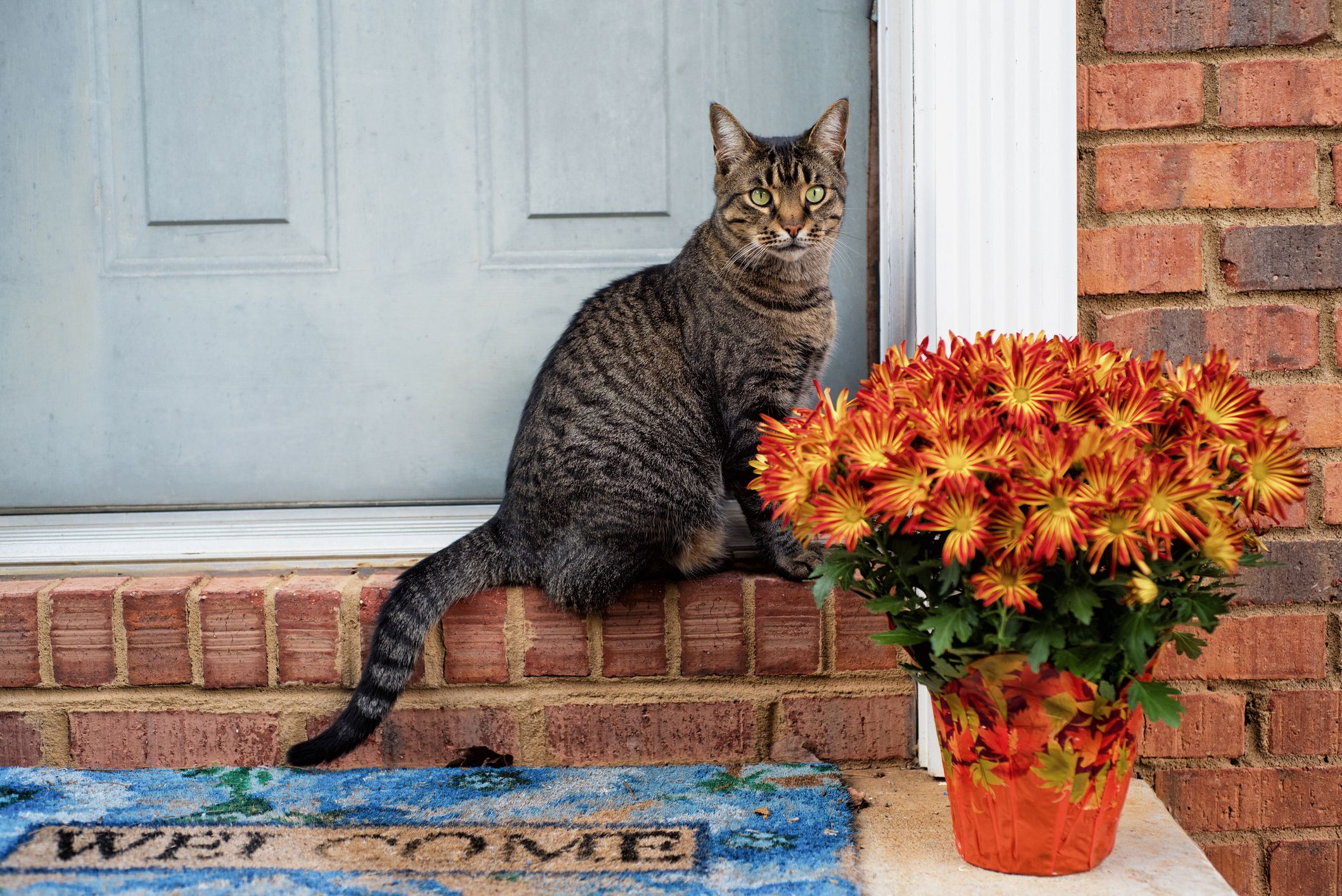
As pet parents, we cherish our furry companions and strive to create a safe, nurturing environment for them. This often includes adorning our homes and gardens with beautiful flora. However, the world of plants can sometimes hide unseen dangers for our curious feline friends. One question that frequently arises for concerned cat owners, especially as autumn approaches, is: Are Chrysanthemums toxic to cats? The definitive answer, unfortunately, is yes. While vibrant and visually appealing, these popular flowers, affectionately known as mums, pose a significant health risk to our beloved feline companions. Understanding this danger, what makes them harmful, and how to safeguard your cat is crucial for every responsible pet owner.
The Unseen Danger: Why Chrysanthemums & Pyrethrin Are Harmful to Cats
Chrysanthemums, with their varied shapes and spectrum of colors, are a staple in many gardens and seasonal decorative displays. However, their beauty belies a potent secret: they are natural insect repellents. These plants contain compounds that serve as their defense mechanism against pests, primarily pyrethrins and sesquiterpene lactones. It's these very substances that make them hazardous to cats.
Understanding Pyrethrins and Their Impact
Pyrethrins are natural insecticides that, when ingested or even contacted, can disrupt a cat's delicate nervous system. Here’s a closer look at why they are so problematic for felines:
- Nervous System Disruption: Once pyrethrins enter a cat's system, they bind to sodium channels in the nerve cells. This binding prevents the normal closing of these channels, leading to overstimulation of the nerves. Imagine a light switch that gets stuck in the "on" position – this continuous firing of nerve signals can lead to a cascade of neurological symptoms.
- Cats' Unique Sensitivity: Felines are particularly sensitive to pyrethrins due to their unique liver metabolism. Unlike some other animals, cats lack certain enzymes necessary to efficiently break down and eliminate these toxins from their bodies. This means the pyrethrins can remain in their system longer, accumulating and causing more severe effects.
- Grooming Habits Increase Risk: Cats are fastidious groomers. Even if they only brush against a chrysanthemum plant, the pyrethrins can transfer to their fur. Later, during a routine grooming session, the cat will inevitably ingest the toxin by licking its coat. This makes even casual contact a potential risk factor.
- Difference from Synthetic Pyrethroids: It's important to distinguish natural pyrethrins in chrysanthemums from synthetic pyrethroids. Synthetic pyrethroids are man-made chemicals often used in dog flea and tick prevention products. While both are related, the concentration and specific chemical structure differ, and synthetic versions can be even more potent. Regardless, both highlight the sensitivity of cats to these types of compounds.
The severity of toxicity can vary based on the amount of plant material ingested and the individual cat's sensitivity, but any exposure should be taken seriously. Therefore, for homes with curious cats, chrysanthemums are simply not a safe choice.
Recognizing the Red Flags: Symptoms of Chrysanthemum Toxicity in Cats
Vigilance is key when you share your home with a cat, especially if there's a chance of exposure to toxic plants. Recognizing the signs of chrysanthemum toxicity early can make a significant difference in your pet's outcome. Symptoms can manifest gradually or suddenly, and may range from mild irritation to severe neurological distress.
Physical Symptoms to Watch For:
- Gastrointestinal Upset:
- Vomiting: One of the most common signs, as the body tries to expel the ingested toxin.
- Diarrhea: Another attempt by the body to rid itself of harmful substances.
- Drooling (Ptyalism): Excessive salivation can occur as a response to irritation in the mouth or digestive tract.
- Oral & Skin Irritation:
- Paw Swatting/Pawing at Mouth: Cats may paw at their mouth if they experience irritation or discomfort after chewing on the plant.
- Dermatitis (Skin Inflammation): Direct contact with the plant, especially the sap, can cause redness, itching, or irritation on the skin.
- Neurological Signs (More Severe Cases):
- Lack of Appetite (Anorexia): A general feeling of unwellness can lead to refusal to eat.
- Incoordination (Ataxia): Difficulty walking, stumbling, or an unsteady gait are serious signs that the nervous system is affected.
- Tremors or Muscle Twitching: Involuntary muscle movements can indicate significant neurological disruption.
- Seizures: The most severe neurological symptom, requiring immediate emergency veterinary intervention.
Behavioral Changes:
- Lethargy: Your normally active cat might seem unusually tired, sleepy, or unwilling to play.
- Decreased Activity Levels: A noticeable reduction in their usual playful or curious behavior.
- Weakness: Apparent lack of strength or inability to perform normal activities.
If you observe any of these symptoms, even mild ones, and suspect your cat has been exposed to chrysanthemums, do not delay. Immediate veterinary attention is crucial. Early diagnosis and treatment can significantly improve your cat's prognosis. For a more detailed guide on recognizing these signs and the critical steps to take, refer to our comprehensive article on Chrysanthemum Toxicity in Cats: Symptoms & Emergency Steps.
Immediate Actions and Preventative Measures for Cat Parents
Knowing that Are Chrysanthemums toxic to cats is only half the battle; knowing what to do next is equally vital. If you suspect your cat has ingested or come into contact with chrysanthemums, prompt action is essential.
What to Do in Case of Exposure:
- Contact Your Veterinarian Immediately: This is the most crucial step. Have your vet's number, or that of an emergency veterinary clinic, readily available. Do not wait for severe symptoms to appear.
- Provide Information: Be ready to tell your vet what plant your cat was exposed to (if you know it was a chrysanthemum), how much you think they might have ingested, and what symptoms your cat is currently displaying. If possible, bring a sample of the plant with you.
- Do NOT Induce Vomiting Unless Advised: While inducing vomiting can sometimes be helpful, it can also be dangerous if done incorrectly or for the wrong type of toxin. Always follow your veterinarian's specific instructions.
- Monitor Your Cat: Keep a close eye on your cat's behavior and physical state while you are en route to the vet or awaiting their advice.
Proactive Prevention is Best:
The safest approach is always prevention. Here’s how to create a chrysanthemum-free zone for your feline friend:
- Remove All Chrysanthemums: This might seem obvious, but if you have mums in your garden, potted indoors, or even cut flowers in a vase, they need to go. Relocate them to a friend's house without pets or dispose of them safely.
- Identify All Your Plants: Take the time to identify every plant in your home and garden. Many common household and garden plants are toxic to cats. A simple plant identification app can be a great tool. When in doubt, assume it's unsafe or consult a plant toxicity list from a reputable source like the ASPCA.
- Create Safe Zones: If completely removing all potentially toxic plants isn't feasible (e.g., in a shared garden), create designated "cat-free" zones using fencing or barriers. This is often more practical for outdoor spaces.
- Supervision: When introducing new plants or allowing your cat access to new areas, supervise them closely. Prevent them from chewing or batting at plants.
- Educate Others: Inform family members, friends, and anyone who might bring plants into your home about the dangers of chrysanthemums and other toxic plants for cats.
- Offer Safe Alternatives: Provide your cat with plenty of safe, stimulating enrichment like cat grass, catnip, and interactive toys to distract them from potentially dangerous plants.
By taking these preventative steps, you can significantly reduce the risk of chrysanthemum toxicity and ensure a safer, happier environment for your cherished pet. For a deeper dive into understanding the risks and specific symptoms, you might find our guide on Are Chrysanthemums Toxic to Cats? A Vet's Critical Guide incredibly useful.
Cultivating a Cat-Safe Haven: Beautiful Alternatives to Mums
While chrysanthemums are off-limits, creating a beautiful and vibrant home or garden that's also safe for your feline friend is entirely possible! There are numerous stunning plants that pose no threat to cats, allowing you to enjoy the beauty of nature without compromising your pet's health. The key is to choose wisely and place even safe plants strategically.
Gorgeous & Cat-Friendly Plant Options:
Consider these fantastic alternatives to bring color and life into your living space:
- Petunias: These cheerful annuals offer a wide array of colors and are generally considered non-toxic to cats. They're perfect for hanging baskets or garden beds.
- Sunflowers: Bright and iconic, sunflowers are a fantastic, non-toxic choice for a sunny spot in your garden.
- Snapdragons: With their unique "dragon mouth" blooms, snapdragons add charm and vertical interest and are safe for cats.
- African Violets: Perfect for indoor décor, these lovely, low-maintenance flowering plants provide a splash of color without risk.
- Christmas Cactus: Unlike many holiday plants, the Christmas Cactus is generally considered non-toxic to cats, offering beautiful winter blooms.
- Orchids: Many varieties of orchids, such as the popular Phalaenopsis (Moth Orchid), are safe for cats and add an elegant touch to any room.
- Boston Fern: A lush, vibrant fern that's safe and helps purify the air. Great for hanging baskets indoors.
- Spider Plant: Easy to grow and known for producing "spiderettes," these plants are entirely safe and even somewhat intriguing for cats.
- Herbs & Edibles:
- Catnip (Nepeta cataria): The classic feline favorite, offering harmless delight.
- Cat Grass (Oats, Wheat, or Rye Grass): A healthy and stimulating chew for cats, aiding digestion and preventing them from chewing on other plants.
- Basil & Thyme: These culinary herbs are generally considered safe for cats and can be grown indoors or out.
Tips for Plant Placement, Even with Safe Plants:
- Elevate: Place plants on high shelves or in hanging baskets to keep them out of reach, especially if your cat is a prolific nibbler.
- Secure Pots: Use heavier pots or secure them to prevent curious cats from knocking them over and playing in the soil.
- Provide Alternatives: Always ensure your cat has plenty of stimulating toys, scratching posts, and safe chew options (like cat grass) to divert their attention from your houseplants.
By thoughtfully choosing and placing your plants, you can cultivate an inviting and beautiful environment that brings joy to both you and your feline companions.
Conclusion
In conclusion, when asking, "Are Chrysanthemums toxic to cats?", the answer is a resounding yes. The natural pyrethrins and sesquiterpene lactones in these popular flowers pose a significant risk to our feline friends, potentially leading to gastrointestinal upset, skin irritation, and even severe neurological symptoms. As responsible pet parents, understanding these dangers, recognizing the signs of toxicity, and taking proactive preventative measures are paramount. By removing chrysanthemums from your home and garden, educating yourself on other common toxic plants, and opting for a myriad of beautiful, cat-safe alternatives, you can create a harmonious and healthy living space for everyone. Prioritizing your cat's safety doesn't mean sacrificing beauty; it means making informed choices that protect your cherished companion for years to come.