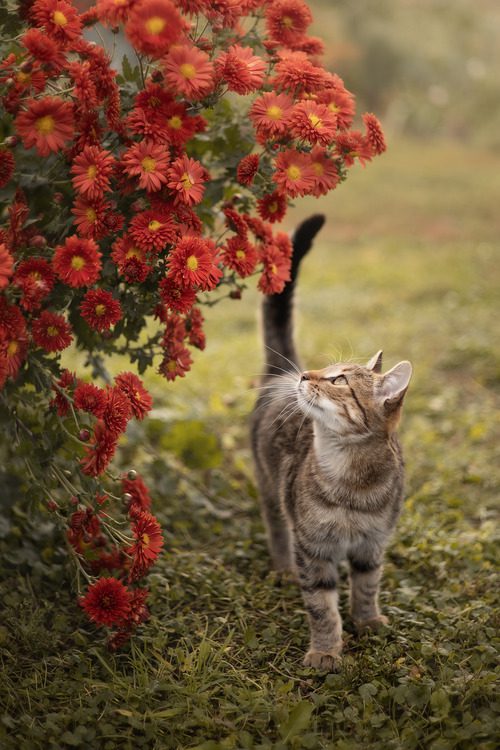
Are Chrysanthemums Toxic to Cats? Unpacking the Danger
As a loving cat parent, ensuring your feline friend's safety is always a top priority. When it comes to the vibrant beauty of chrysanthemums, often cherished as symbols of autumn, a critical question frequently arises:
Are chrysanthemums toxic to cats? The unequivocal answer is yes, these popular flowers can indeed pose a significant health risk to our curious companions. While their striking petals and seasonal charm make them a garden favorite, understanding the hidden dangers they present to cats is essential for creating a safe home and garden environment.
This comprehensive guide will delve into what makes chrysanthemums harmful to cats, detail the various symptoms of toxicity to watch out for, and outline the crucial emergency steps to take if your cat has been exposed. We'll also explore preventative measures and offer safe, cat-friendly alternatives, ensuring you can enjoy the beauty of plants without compromising your pet's well-being.
The Hidden Danger: Why Chrysanthemums Are Toxic to Cats
The beauty of chrysanthemums belies a chemical defense system that, while effective against insects, is unfortunately dangerous for cats. These plants contain several compounds that are toxic to felines, primarily **pyrethrins** and **sesquiterpene lactones**.
Pyrethrins are natural insecticides that the plant produces to protect itself from pests. When a cat comes into contact with chrysanthemums – whether by brushing against the leaves, chewing on a petal, or even ingesting a small piece – these pyrethrins can enter their system. Once absorbed, pyrethrins primarily affect the nervous system. They interfere with the normal function of nerve cells by binding to sodium channels, which can disrupt nerve impulse transmission. Cats are particularly susceptible to pyrethrins due to their unique metabolism; they lack certain enzymes that help other animals (and humans) break down these compounds quickly. This means the toxins remain in their system for longer, increasing the potential for severe reactions. It's also worth noting that cats' fastidious grooming habits make them even more vulnerable. Even if they just brush past a chrysanthemum, they can ingest the toxins later by licking their fur.
In addition to pyrethrins, chrysanthemums also contain **sesquiterpene lactones**. These compounds are known to cause gastrointestinal upset and skin irritation. While pyrethrins are the primary concern for neurological effects, sesquiterpene lactones contribute to the broader spectrum of symptoms, including vomiting, diarrhea, and dermatitis.
The concentration of these toxic compounds can vary between different chrysanthemum varieties and even within different parts of the same plant. However, even small exposures can lead to noticeable symptoms, making it crucial for pet parents to be aware of the risks. For a deeper dive into the specific dangers of these compounds, you might find our article
Mums & Cats: Understanding Pyrethrin Dangers & Safe Plants particularly insightful.
Recognizing the Red Flags: Symptoms of Chrysanthemum Toxicity in Cats
If your cat has been exposed to chrysanthemums, either through ingestion or skin contact, they may exhibit a range of physical and behavioral symptoms. These signs can appear gradually or suddenly, and their severity often depends on the amount of plant material ingested and your cat's individual sensitivity. It's vital for cat parents to be vigilant and recognize these potential indicators of chrysanthemum poisoning.
**Common Physical Symptoms:**
* **Gastrointestinal Distress:** This is one of the most frequent signs. You might observe:
* **Vomiting:** Your cat may vomit plant material or foamy bile.
* **Diarrhea:** Loose or watery stools.
* **Drooling (Hypersalivation):** Excessive drooling can be a reaction to the bitter taste or an indication of nausea.
* **Loss of Appetite (Anorexia):** Your cat may refuse to eat or show little interest in food.
* **Neurological Signs (primarily due to Pyrethrins):** These are often more serious and require immediate attention:
* **Lack of Coordination (Ataxia):** Your cat may appear wobbly, stumble, or have difficulty walking straight.
* **Tremors or Muscle Twitching:** Involuntary muscle movements.
* **Weakness:** A general lethargy or inability to stand.
* **Seizures:** While less common, severe cases can lead to seizures.
* **Dermatological Reactions (due to Sesquiterpene Lactones):**
* **Dermatitis or Skin Inflammation:** If your cat has direct skin contact with the plant, especially repeated contact, they may develop redness, itching, or irritation, particularly around the mouth or paws.
* **Paw at Mouth/Face:** Due to irritation or discomfort.
**Behavioral Changes:**
Beyond physical signs, your cat's behavior might also signal a problem:
* **Lethargy:** A noticeable decrease in their usual activity levels, appearing unusually tired or uninterested in play.
* **Hiding:** A cat in discomfort or pain may seek solitude and hide more than usual.
* **Irritability or Restlessness:** Some cats may become agitated or unable to settle.
It’s important to remember that even mild symptoms warrant a call to your veterinarian. Early intervention can prevent the condition from worsening and lead to a quicker recovery.
Emergency Protocol: What to Do If Your Cat Ingests Chrysanthemums
If you suspect your cat has ingested any part of a chrysanthemum or is showing symptoms of toxicity, immediate action is crucial. Time is of the essence in these situations.
1. **Stay Calm and Act Quickly:** Panic won't help your cat. Take a deep breath and prepare to act decisively.
2. **Remove Your Cat from the Source:** Immediately separate your cat from the plant to prevent further exposure. If possible, remove any plant material from their mouth or fur.
3. **Contact Your Veterinarian IMMEDIATELY:** This is the most critical step. Do not wait for symptoms to worsen. Call your vet, an emergency animal hospital, or a pet poison control hotline right away.
* **Be Prepared with Information:** When you call, be ready to provide:
* Your cat's breed, age, weight, and any existing medical conditions.
* The type of plant (chrysanthemum) and the part of the plant ingested (leaves, petals, stem). If possible, have a sample of the plant or a photo.
* The estimated amount ingested and when the exposure occurred.
* Any symptoms your cat is currently exhibiting, including when they started.
4. **Do NOT Induce Vomiting Unless Directed:** Never try to make your cat vomit without explicit instructions from a veterinary professional. Inducing vomiting inappropriately can cause further harm, especially if the toxin is corrosive or if your cat is already showing neurological signs.
5. **Follow Veterinary Advice:** Your vet will guide you on the next steps. They may advise you to bring your cat in for an immediate examination, where they can assess the severity of the toxicity and initiate appropriate treatment. Treatment might include induced vomiting (under professional supervision), activated charcoal to absorb toxins, intravenous fluids to support hydration and flush the system, and symptomatic care for neurological or gastrointestinal issues.
Early intervention significantly improves the prognosis for cats suffering from chrysanthemum toxicity. For more detailed guidance on handling such emergencies, please refer to our article
Are Chrysanthemums Toxic to Cats? A Vet's Critical Guide.
Prevention is Key: Cat-Friendly Alternatives and Safe Practices
The best way to protect your cat from chrysanthemum toxicity is through prevention. This involves being mindful of the plants you bring into your home and garden, and making informed choices.
**Creating a Cat-Safe Environment:**
* **Avoid Chrysanthemums Entirely:** The most straightforward solution is to simply not bring chrysanthemums into your home or garden if you have cats. This includes potted mums, cut flower arrangements, and garden varieties.
* **Secure Outdoor Gardens:** If you have chrysanthemums in your outdoor garden and your cat has access to the outdoors, consider fencing off areas or using motion-activated deterrents to keep your cat away from toxic plants.
* **Mindful Gifting:** Inform friends and family who may give you plants that you have cats and prefer pet-safe options.
* **Check Plant Labels:** Always check plant labels before purchasing. If a plant's toxicity isn't listed, research it thoroughly or err on the side of caution.
* **Supervise Curious Kitties:** Young or particularly curious cats may be more prone to investigating and chewing on plants. Supervise them closely, especially when introducing new plants to the environment.
**Cat-Friendly Plant Alternatives:**
Fortunately, there are many beautiful and non-toxic plants that can safely adorn your home and garden. Here are a few popular choices:
* **For Indoors:**
* **Spider Plant (Chlorophytum comosum):** Easy to care for and non-toxic.
* **Boston Fern (Nephrolepis exaltata):** A lush, green option.
* **African Violet (Saintpaulia spp.):** Beautiful flowering plant.
* **Christmas Cactus (Schlumbergera bridgesii):** Offers vibrant blooms during winter.
* **Areca Palm (Dypsis lutescens):** A larger, air-purifying option.
* **Catnip (Nepeta cataria) or Cat Grass (Dactylis glomerata):** These are not only safe but often enjoyed by cats.
* **For Outdoors:**
* **Petunias (Petunia x hybrida):** Colorful and generally considered non-toxic.
* **Snapdragons (Antirrhinum majus):** Unique blooms that are safe for cats.
* **Roses (Rosa spp.):** While thorns can be a hazard, the plant itself is non-toxic.
* **Sunflowers (Helianthus annuus):** Iconic and cat-safe.
* **Daylilies (Hemerocallis spp.):** *Note: True lilies (Lilium and Hemerocallis genera) are extremely toxic to cats and should be avoided at all costs. Daylilies are also highly toxic, despite the name. This is a common point of confusion. For the purpose of this article, stick to non-lily options for outdoor flowering plants.* (Self-correction: Re-reading the prompt, I need to be careful with examples. Daylilies *are* toxic. I should pick truly safe outdoor options or clearly specify).
* **Correction for Outdoor Plants:** Instead of Daylilies, let's suggest: **Pansies (Viola x wittrockiana)**, **Violas (Viola cornuta)**, **Zinnias (Zinnia elegans)**. These are generally considered non-toxic and offer vibrant color.
By making conscious choices about your plants and maintaining a vigilant eye, you can create a beautiful environment that is also a safe haven for your beloved feline companion.
Conclusion
The question "Are chrysanthemums toxic to cats?" unequivocally calls for a resounding yes. While these autumn blooms are visually appealing, the pyrethrins and sesquiterpene lactones they contain pose a real and present danger to our feline friends, leading to symptoms ranging from gastrointestinal upset and skin irritation to severe neurological issues. As responsible pet parents, recognizing the signs of toxicity and knowing the immediate emergency steps to take are critical.
Ultimately, prevention is the strongest defense. By opting for cat-safe plant alternatives and maintaining a vigilant approach to your home and garden flora, you can ensure that your cherished companion remains healthy, happy, and free from the hidden dangers of toxic plants. Prioritizing your cat's safety means making informed choices, and in the case of chrysanthemums, choosing pet-friendly alternatives is truly the best course of action.